October 1, 2026
Hail storms are natural weather events that can pose significant threats to homes, commercial buildings, vehicles, and outdoor property. Understanding the extent of damage caused by these storms is essential for limiting future costs and protecting structural integrity. Post-storm hail damage inspections give property owners an opportunity to identify problems that may not be immediately noticeable. By recognizing vulnerable areas early, homeowners and businesses can take appropriate steps to repair damage before moisture, wind, or additional storms make existing problems worse. A thorough assessment can also provide useful documentation when discussing repairs or filing an insurance claim. Hail storms can occur throughout the year, although they are particularly common during spring and summer in certain regions. Areas of the central United States experience frequent hail events because atmospheric conditions often support powerful thunderstorms. Damage can range from small cosmetic marks to fractured roofing materials and compromised exterior components. Because the severity of a storm is not always obvious from ground level, hail damage inspections can help determine whether a property requires immediate repairs, preventive maintenance, or continued monitoring.
Understanding How Hail Forms
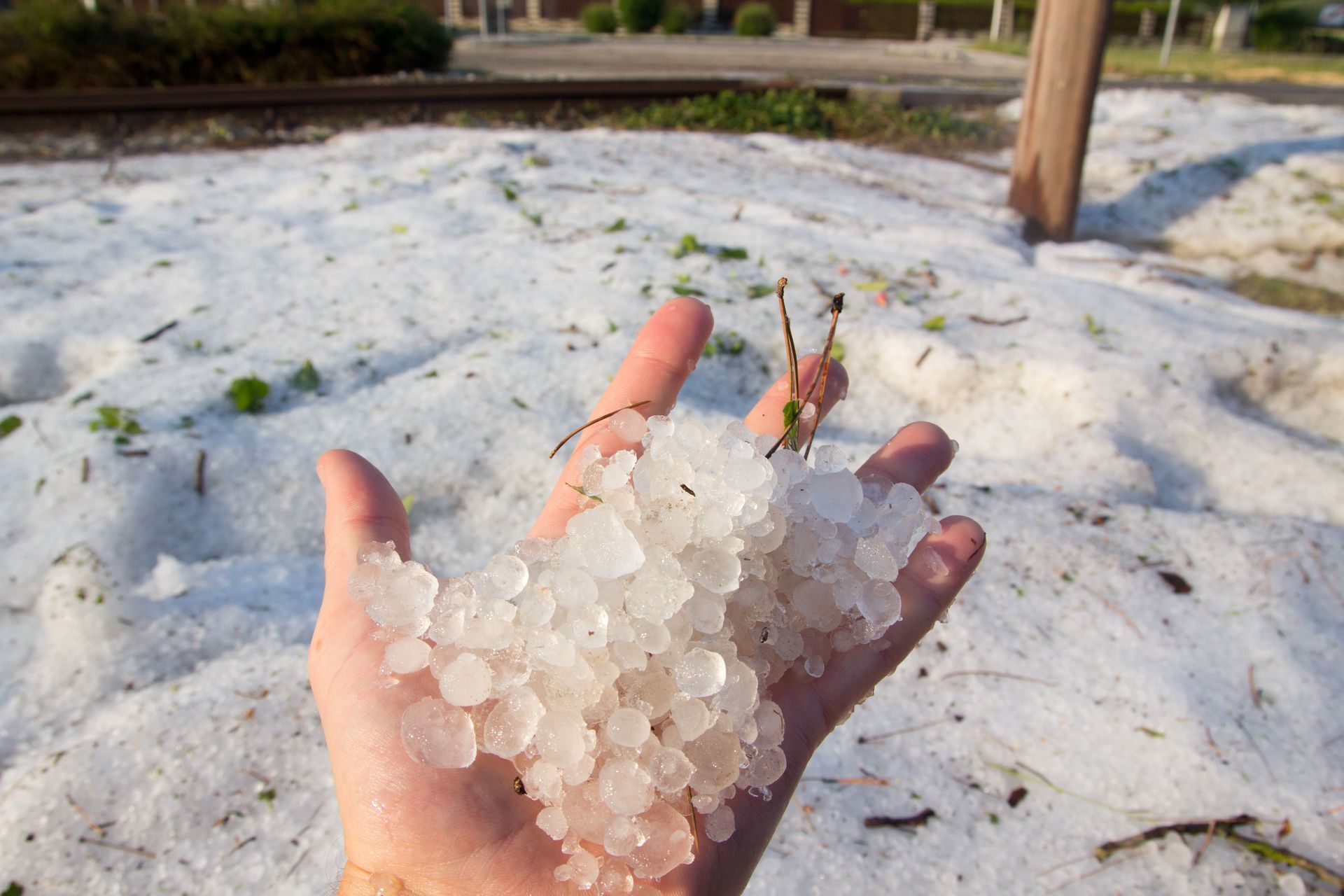
Hail develops within powerful thunderstorm clouds when strong updrafts carry water droplets into extremely cold portions of the atmosphere. These droplets freeze and may repeatedly move through areas containing supercooled water, accumulating additional layers of ice. Eventually, the hailstones become too heavy for the storm's updrafts to support and fall toward the ground. Their size can range from small pellets to stones larger than golf balls, depending on atmospheric conditions and the strength of the storm.
The destructive potential of hail is influenced by its size, density, shape, and velocity. Larger stones generally contain greater kinetic energy and can cause substantial damage when they strike roofing, siding, glass, vehicles, and outdoor equipment. Wind can further increase the potential for damage by driving hail against vertical surfaces. Understanding these characteristics helps property owners appreciate why even a relatively brief storm can leave behind widespread problems requiring careful evaluation.
Recognizing Common Types of Hail Damage
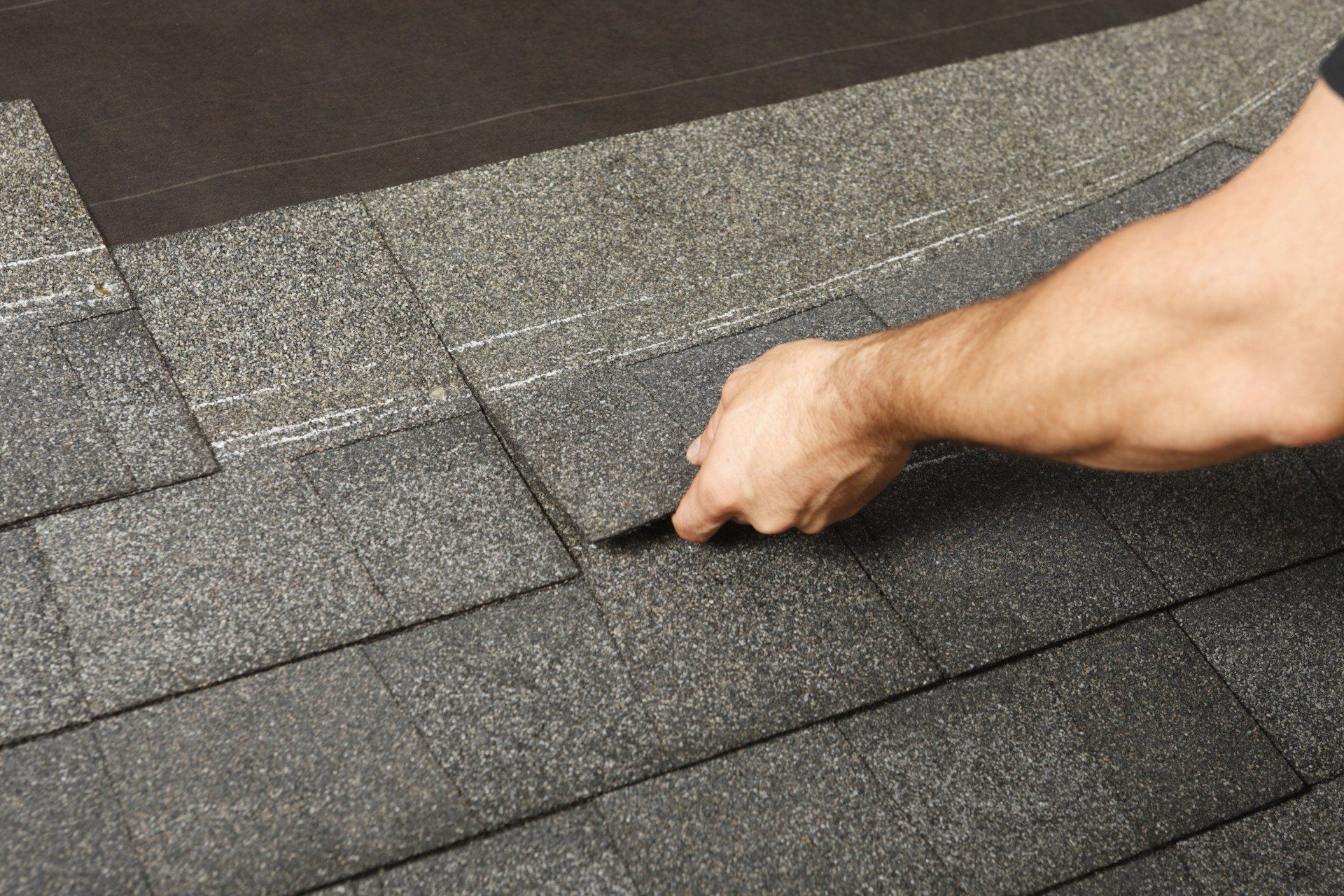
Roofing materials are among the most vulnerable parts of a property during a hailstorm. Asphalt shingles may lose protective granules, develop cracks, or sustain impact marks. Metal roofing can become dented, while clay or concrete tiles may fracture. These problems can compromise the roof's ability to resist moisture and protect the building underneath. Damage that appears minor immediately following a storm can become more serious after repeated exposure to rain, temperature changes, and sunlight.
Other exterior components can also suffer significant damage. Gutters and downspouts may become dented or loosened, siding can crack, and window screens or frames may sustain impact marks. HVAC equipment, solar panels, skylights, satellite dishes, fencing, and outdoor structures should also be evaluated. Professional hail damage inspections can examine multiple areas of a property rather than focusing solely on the most obvious roof damage.
Landscaping may provide additional evidence about storm severity. Broken branches, shredded leaves, damaged garden plants, and impact marks on outdoor furniture can indicate that hail struck the property with considerable force. While landscape damage does not automatically mean a building has structural problems, it can signal that a closer assessment of roofs and exterior surfaces is appropriate.
Identifying Visible and Hidden Warning Signs
Some signs of hail damage are easy to identify, including dents, broken materials, cracked glass, and damaged siding. Other problems are considerably less obvious. Asphalt shingles, for example, can lose granules without developing an immediate leak. Small cracks may also allow water to penetrate gradually, causing damage underneath the visible roofing surface. These subtle issues illustrate why evaluating a property from the ground alone may not provide a complete understanding of its condition.
Hidden moisture can eventually contribute to damaged insulation, stained ceilings, deteriorating decking, and other building problems. According to WifiTalents, 87% of roof leaks result from installation errors or material failures rather than purely weather-induced damage. A post-storm assessment can therefore reveal both new storm damage and existing vulnerabilities that may have been aggravated by hail. Comprehensive hail damage inspections help distinguish visible impact damage from underlying conditions that may require additional attention.
Understanding the Importance of Hail Size
Hailstone size can strongly influence the type and severity of property damage. Small hail may cause superficial marks, while larger stones can crack roofing materials, break windows, dent metal surfaces, and damage exterior equipment. However, hail size is only one factor. Wind speed, roof age, roofing material, storm duration, and the angle of impact can all affect the outcome. An older roof may sustain greater damage than a newer system exposed to the same storm..
Weather reports can provide valuable information about the approximate size of hail recorded during a storm. Property owners can retain these reports along with photographs and inspection documentation. Keeping organized records may be useful when evaluating repairs and communicating with contractors or insurers. Documentation also creates a reference point for comparing the property's condition following future storms.
Detecting Problems Before They Become More Serious
One of the primary reasons for scheduling hail damage inspections is early detection. A small puncture, loosened flashing component, or fractured shingle may initially appear insignificant. If water enters through the damaged area, however, the resulting problem can spread into insulation, decking, ceilings, walls, and other materials. Detecting these vulnerabilities early can make repairs more manageable and reduce the likelihood of secondary deterioration.
Early assessments can also help property owners prioritize repairs. Not every impact mark requires the same level of intervention, so understanding which areas present the greatest risk is important. Immediate safety or water-intrusion concerns can be addressed first, while cosmetic or lower-priority repairs can be planned appropriately. This approach helps property owners allocate maintenance resources more efficiently.
Protecting Safety After a Severe Storm
Safety should remain a priority following any major hail event. Damaged roofing materials may become loose, broken windows can create sharp hazards, and compromised gutters or exterior fixtures may fall unexpectedly. Property owners should avoid climbing onto potentially damaged roofs without appropriate training and safety equipment. Wet surfaces, unstable materials, and lingering severe weather can make an otherwise routine inspection dangerous.
Interior conditions should also be monitored. Water stains, dripping, unusual odors, damp insulation, or changes in ceilings and walls can indicate moisture intrusion. Addressing these signs promptly helps reduce the risk of continued deterioration. When extensive damage is suspected, trained professionals can assess difficult-to-access areas while minimizing unnecessary safety risks to occupants.
Supporting Insurance Documentation
Insurance policies may establish specific requirements and time frames for reporting storm-related damage. Thorough hail damage inspections can provide documentation describing the location, nature, and apparent severity of affected areas. Photographs, written assessments, storm dates, and repair estimates can help create a clearer record of property conditions after a weather event. Property owners should review their individual policies because coverage, deductibles, exclusions, and reporting requirements can vary significantly.
Accurate documentation can also reduce confusion when multiple types of damage are present. A property may have existing wear alongside newly sustained storm damage, making careful assessment particularly important. Maintaining previous maintenance and inspection records can provide useful context when comparing the property's condition before and after a hail event.
Ultimately, hail damage inspections are an important component of responsible post-storm property management. They help owners understand what happened, determine which areas require attention, document conditions, and establish appropriate repair priorities. By combining timely assessments with routine maintenance and informed preparation, homeowners and businesses can strengthen their properties against future weather events. A proactive response after hail can protect structural integrity, reduce uncertainty, and support the long-term performance of valuable property assets. Contact our team at DLS Roofing Inc today and learn more about our roofing services.